
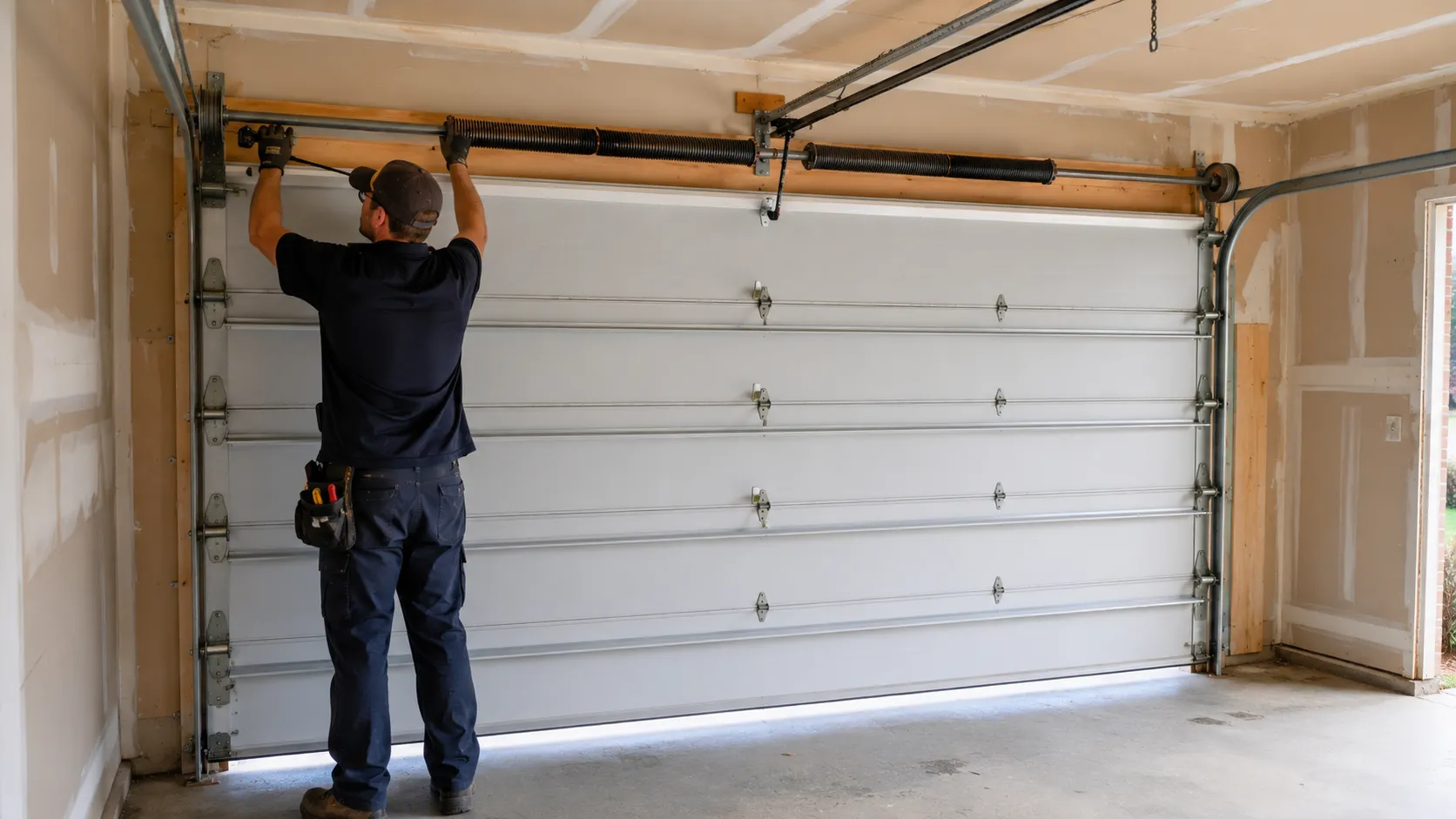
Forest Lake Garage Door Guide
What Power Cuts Do to a Forest Lake Garage Door Opener
Forest Lake homes built 1950-2002 rely on openers that don't like cold-snap power cuts. Here's what to check before a battery backup or capacitor fails on you.
- Licensed & Insured
- Same-Area Service Calls
- Upfront Pricing
What to Check
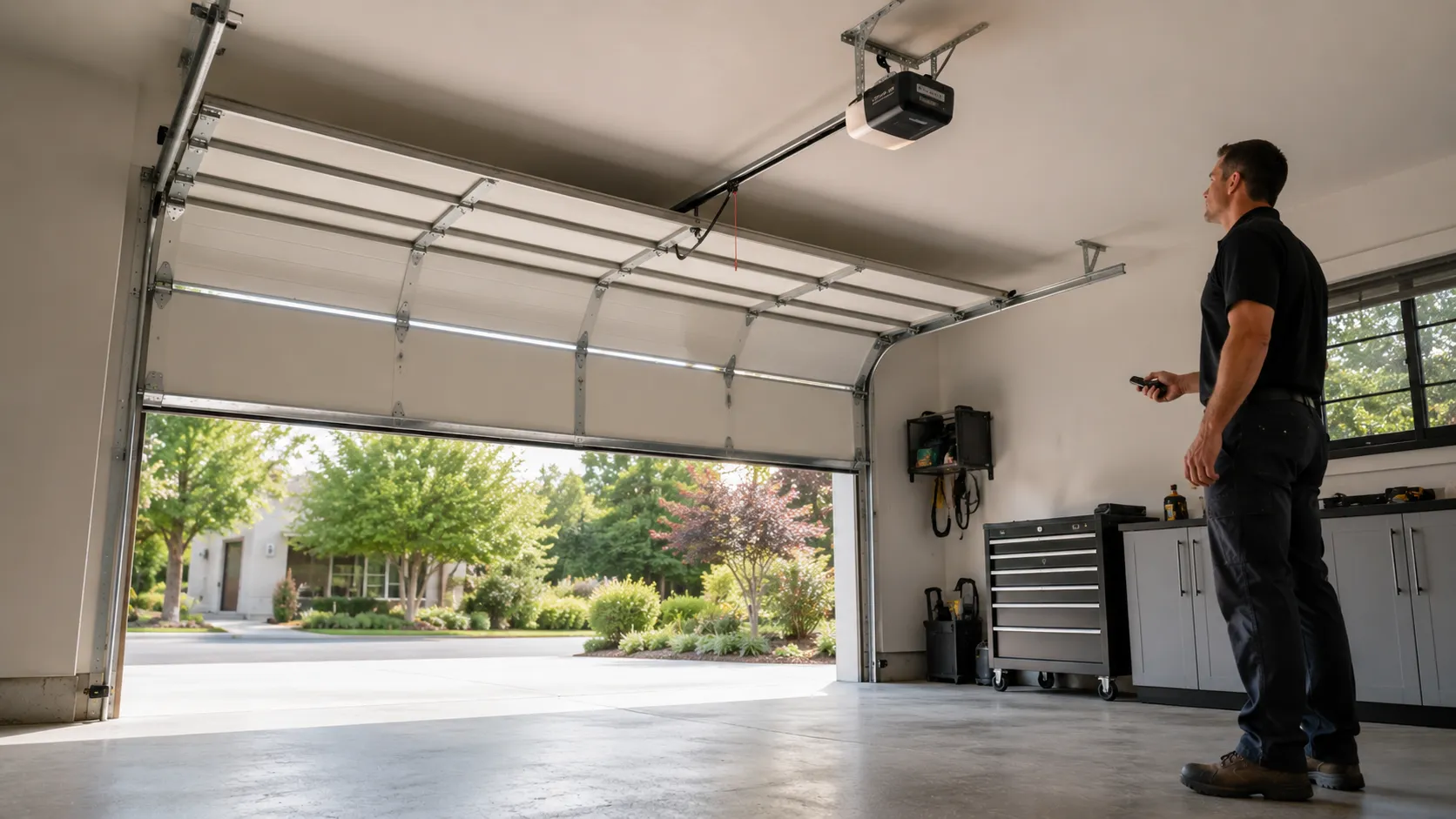
Start with the obvious: does the opener light blink in a pattern when the power comes back on, or does it just sit dead? Most openers installed in homes built between 1950 and 2002 - which covers the bulk of houses in this area, with a median build year around 1984 - use a run capacitor or a control board that doesn't always reset cleanly after a hard outage. Check the wall switch first.
If the light comes on but the motor doesn't respond, the board likely lost its programming, not its power supply. Check the battery backup, if the unit has one; in a severe cold climate, batteries lose a large share of their capacity below freezing, so a backup that worked fine in September can fail outright during a January outage. Pull the manual release cord and try moving the door by hand.
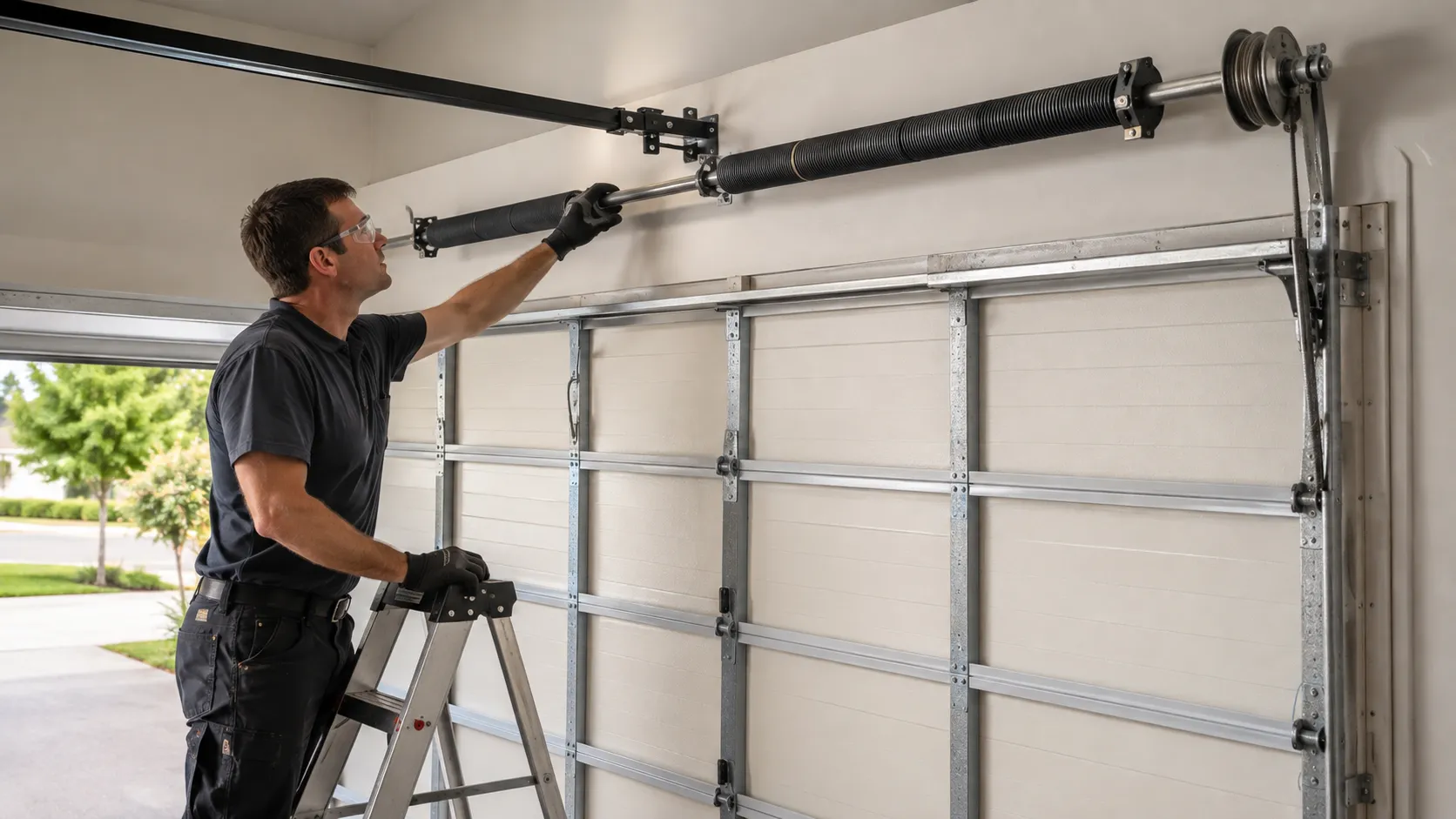
If it's heavy or won't stay open partway, the spring is doing less work than it should, and that's a separate problem from the opener itself - don't let a bad spring get blamed on bad wiring. Last, check the outlet the opener plugs into. Older detached garages sometimes ran on a single shared circuit, and a tripped breaker can look exactly like a dead opener.
The Situation
Forest Lake sits in a cold climate zone with real winter severity, and that matters more for openers than people expect. A power outage during a cold snap doesn't just stop the door - it stresses the whole system when power returns. Voltage can spike or sag as the grid recovers, and older control boards, especially ones original to houses from the 1980s and 90s stock common across this area, don't always handle that well.
We see boards that survive years of normal use and then fail the week after an outage, not during it. Homes here were mostly built in one long stretch, 1950 through the early 2000s, so a lot of openers are also original equipment nearing or past their expected service life - the outage is often just the thing that finally exposes a board that was already marginal. This isn't unique to any one street or subdivision; it shows up anywhere in the service area with that same housing-era profile.
When to Get Help
Call if the opener runs but the door doesn't move, if you smell anything hot near the motor housing, or if the door reverses on its own with nothing in the way - that last one is a safety sensor or board issue, not something to keep testing by hand. Also call if you've reset the breaker, checked the wall station, and the unit is still silent; at that point you're guessing, and guessing at a live circuit isn't worth it.
We'll be straight with you: if the opener is original to a house built in the 1980s or earlier, a board repair sometimes costs close to what a new opener runs, and we'll tell you that instead of billing you for a patch that won't last. What we don't do is diagnose electrical panel or whole-house wiring problems - if the outage points to something upstream of the garage circuit, that's an electrician's call, not ours.
What Local Conditions Do
With a median household income of $100,179 across the service area and close to 48,649 owner-occupied houses out of roughly 79,736 households, a lot of the homes we work on have upgraded openers at some point but kept the original garage wiring. That combination - newer motor, older circuit - is common enough that we check it by default.
The severe cold band this area sits in also means winter outages tend to cluster with ice or wind events, so a backup battery isn't a luxury item here the way it might be somewhere milder; it's closer to a necessity if you use the garage as your main entry point in January. None of this changes much whether you're near Wyoming, Scandia, Columbus, or further out toward Lindstrom or North Branch - the housing era and the climate are the two things driving what breaks, not which side of the lake you're on.
How We Can Help
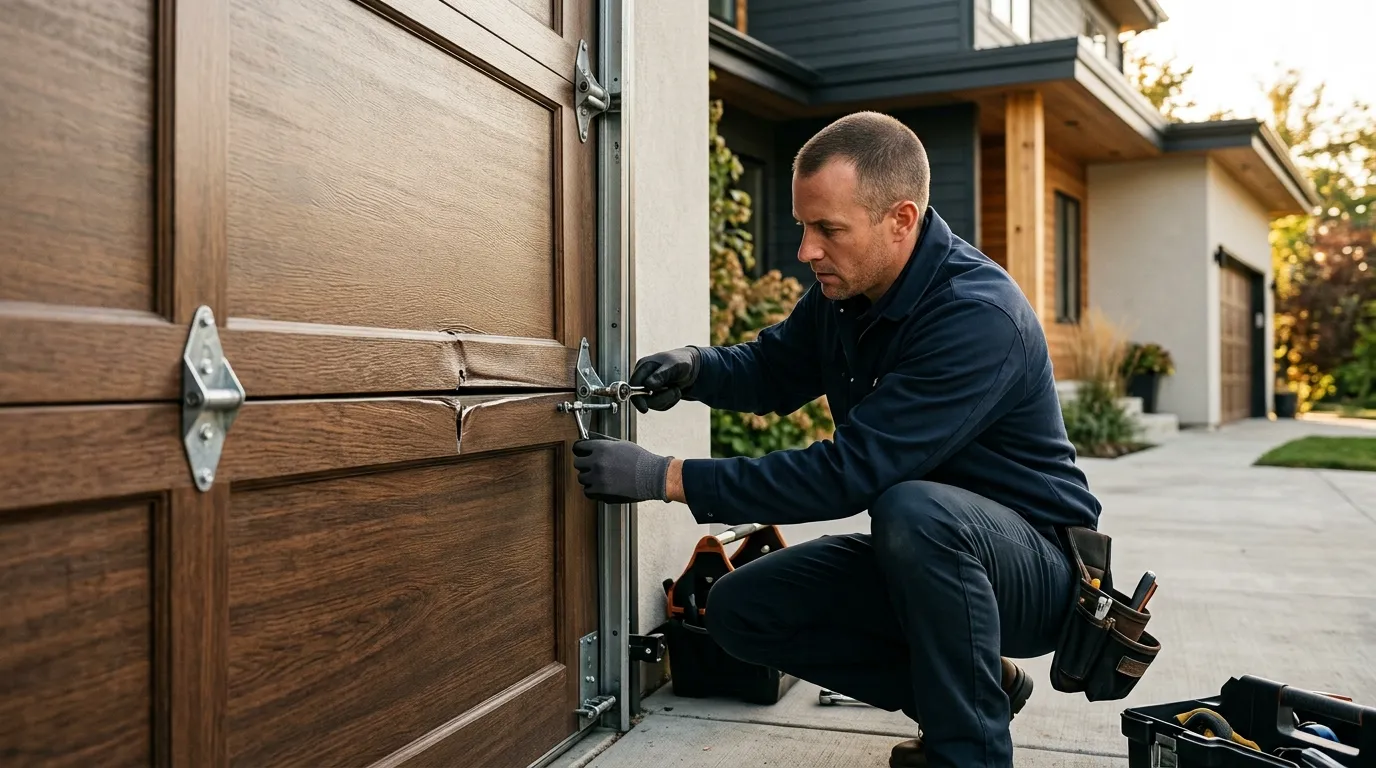
Garage Door Repair
Springs, cables, tracks, rollers, and openers fixed by a tech who explains the problem before touching anything.
Learn more →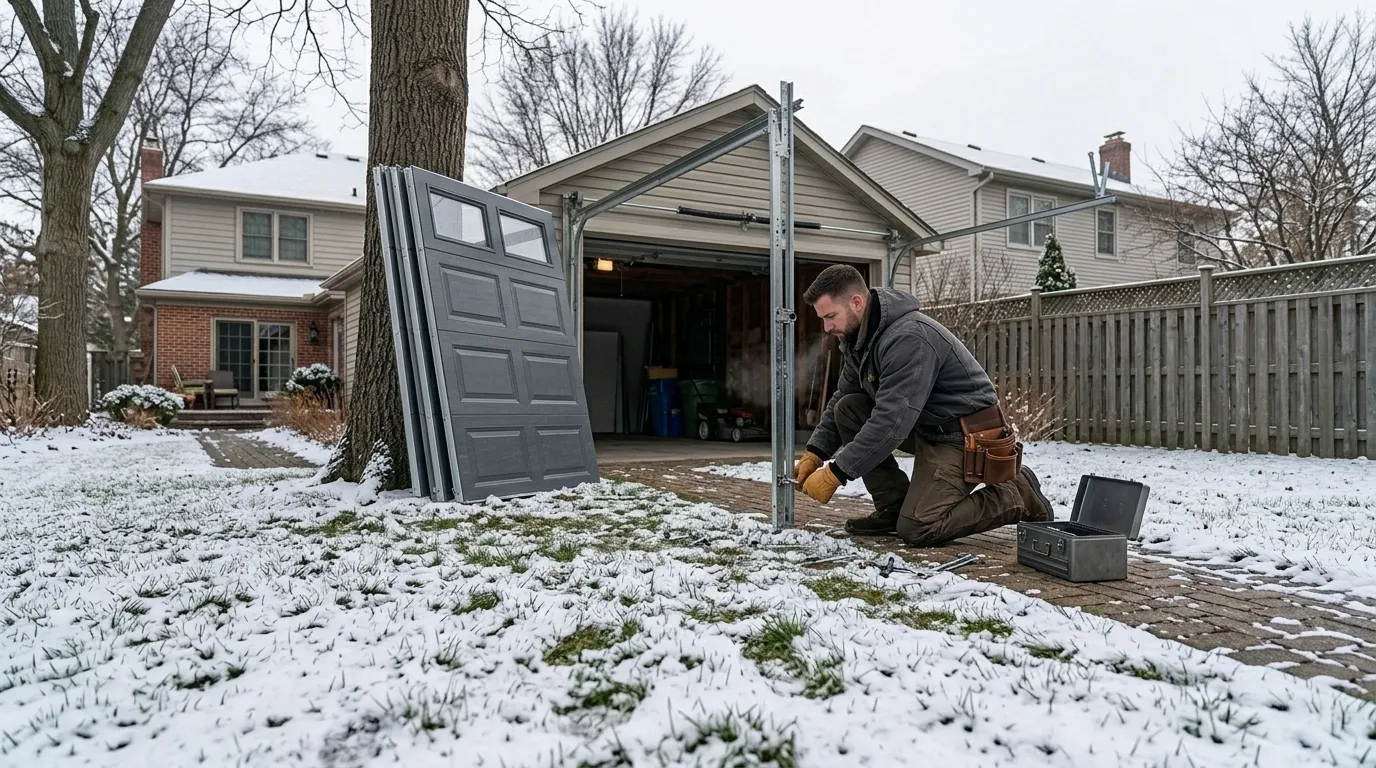
Garage Door Installation
New sectional doors sized and installed for the housing stock actually built in this area.
Learn more →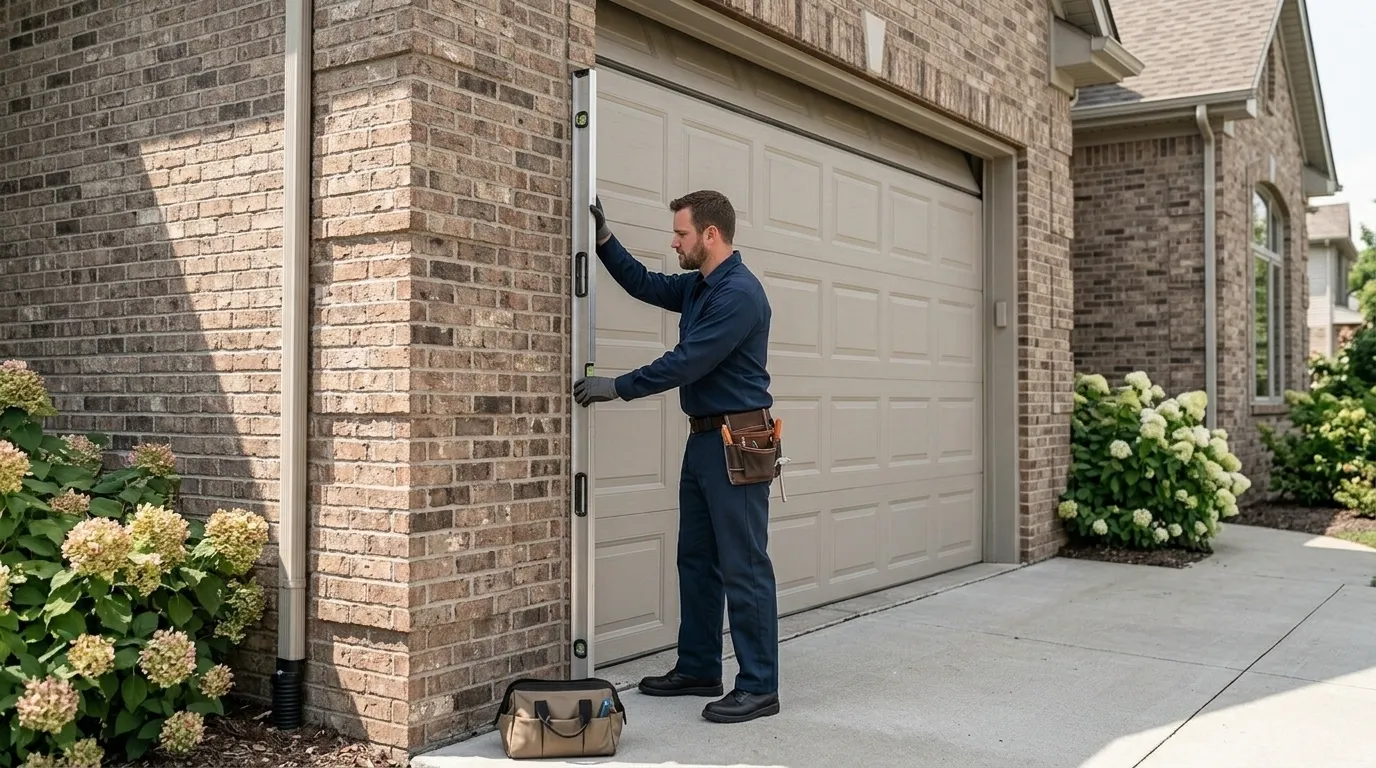
Garage Door Service
Tune-ups, lubrication, and safety checks that catch a small problem before it becomes a service call.
Learn more →Frequently Asked Questions
Why did my opener stop working after the power came back on?
Older control boards, especially ones from houses built in the 1980s and earlier, don't always reset cleanly after a hard outage. Voltage can sag or spike as power returns, and a marginal board can fail right at that moment even though it worked fine before the outage.
Do I need a battery backup on my opener in Forest Lake?
Given the severe cold climate here, batteries lose capacity fast below freezing, so a backup is worth having if the garage is your main entry. It won't help forever in deep cold, but it buys you time during a short outage.
Is it the opener or the spring if the door won't move?
Pull the manual release and try lifting by hand. If the door is heavy or won't hold partway open, that's a spring problem, not the opener. Don't replace a board when the spring is the actual issue.
How old is too old for an opener around here?
A lot of homes in this area were built between 1950 and 2002, and openers original to a house from the 1980s or earlier are often past the point where a board repair makes financial sense compared to replacement.
Have a Door That Needs a Second Opinion?
Call and describe what it is doing - we will tell you what it likely is.