
Forest Lake Garage Door Guide
What Forest Lake's Housing Stock Means for Your Garage Door
Most Forest Lake area houses date to 1950-2002, median 1984, many with steel doors from before insulation codes mattered. Here's what to check before winter.
- Licensed & Insured
- Same-Area Service Calls
- Upfront Pricing
What to Check
Start with the door skin. If your house went up anywhere near the median build year of 1984, there's a decent chance the door is a single layer of steel with no foam core behind it - that was standard construction before insulation requirements caught up with garage doors.
Run your hand along the inside panel on a cold morning. If it's the same temperature as the outside air, you've got no insulation value at all.
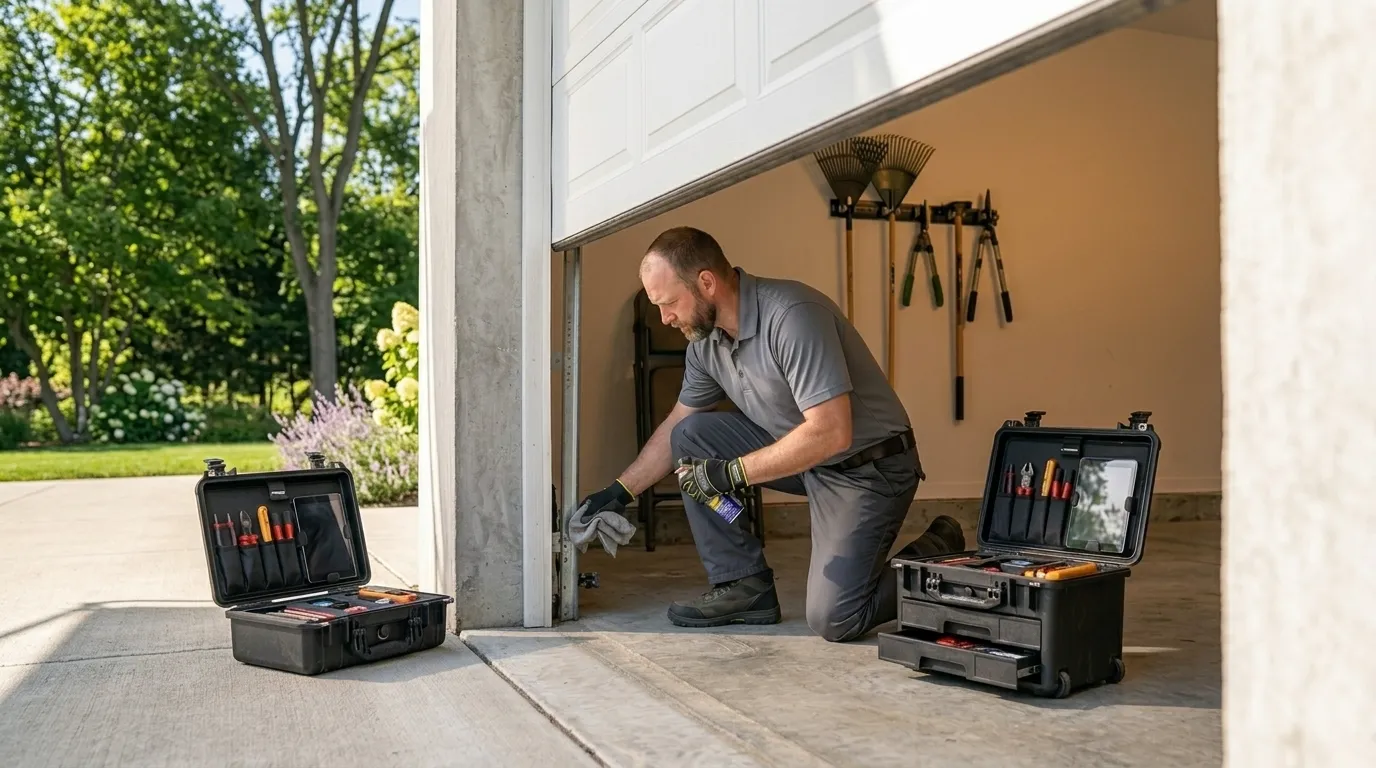
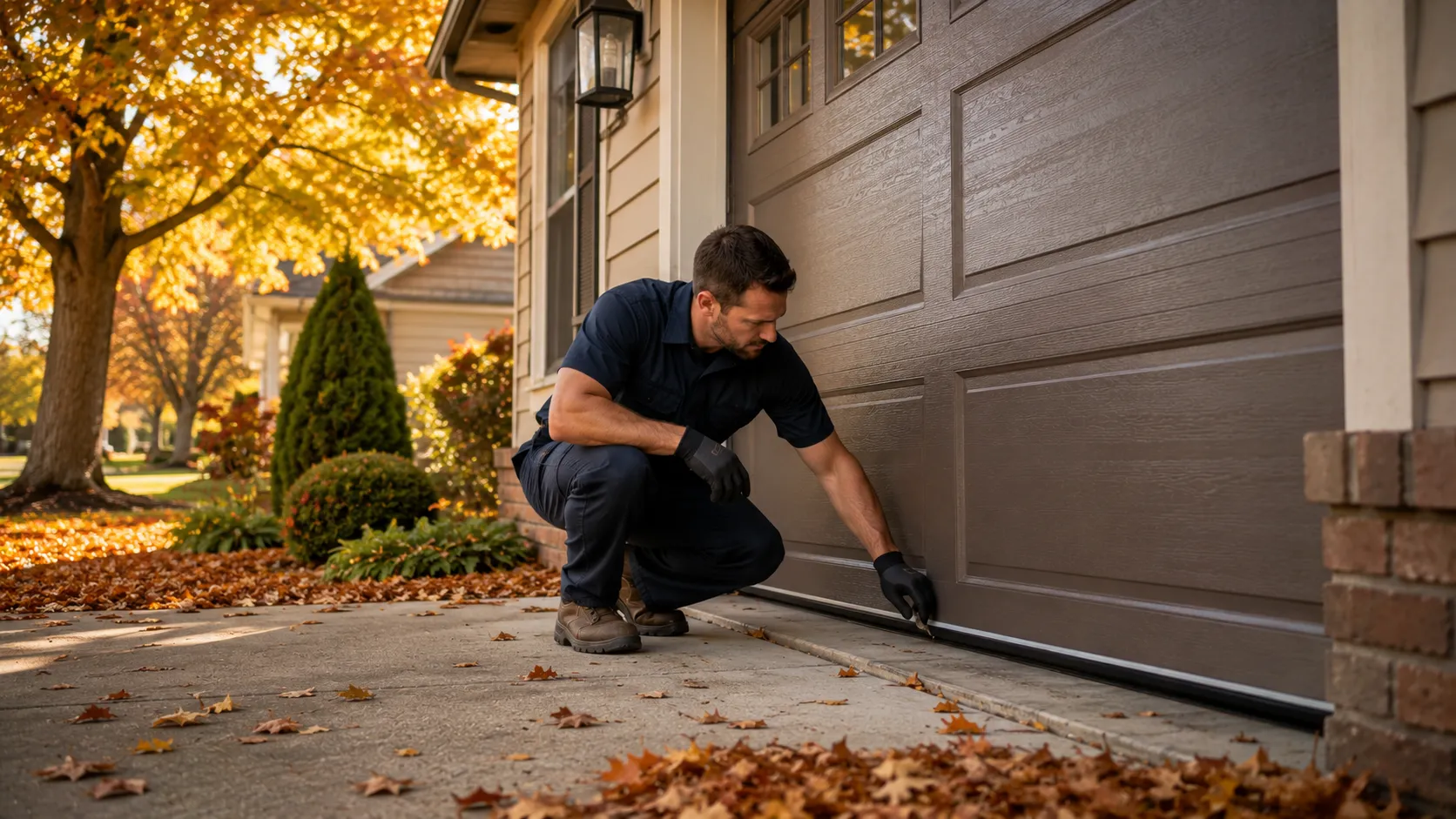
Next, check the bottom seal. Doors from the 1980s and 90s stock that makes up most of this area often still have the original vinyl astragal, which cracks and shrinks after three or four decades of freeze-thaw cycles. A gap you can see daylight through at the bottom corners means cold air and meltwater are getting in every time the wind shifts.
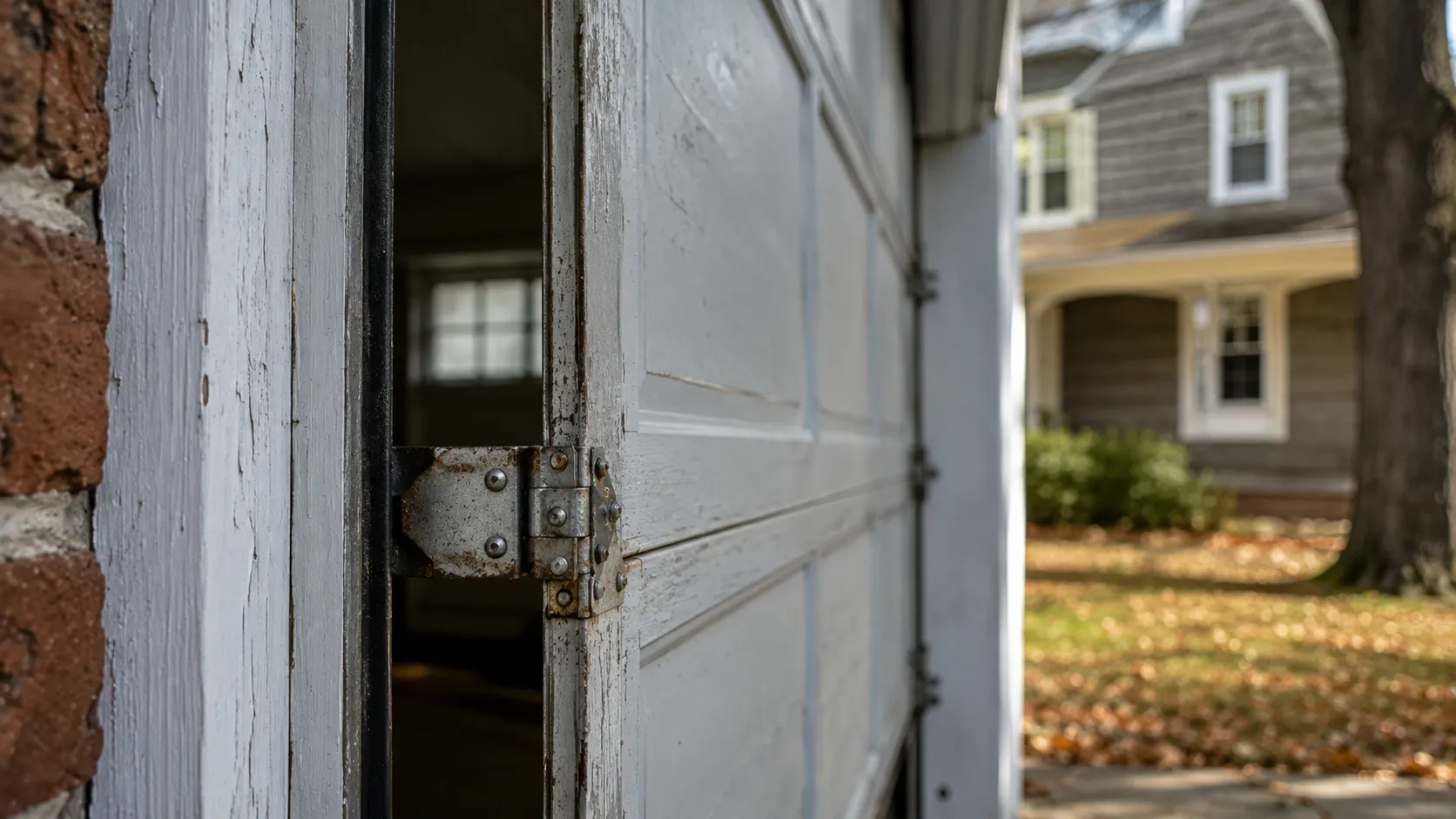
Last, check the springs and hinges for rust pitting rather than just surface rust. Original hardware from a 1980s build has had forty-plus winters of condensation cycling through an unheated garage. Pitting weakens the metal in ways that don't show until the spring lets go under load.
The Situation
Forest Lake sits in a stretch of the state where housing construction runs 1950 through 2002, with the median landing at 1984 - meaning a lot of doors on a lot of garages are original or close to it. That's true across the wider service area too: 31 named communities nearby, from Wyoming and Scandia six miles out to Columbus, Chisago City, and Centerville a bit further, mostly built up in that same 1980s-90s window.
Across roughly 79,736 households in this area, with 48,649 of those owner-occupied houses, a meaningful share are still running the door that came with the house. Median household income here sits at $100,179, which is enough that most owners aren't stuck patching a door forever - replacing a worn-out single-layer panel with an insulated one is within reach for most budgets in this market, not a stretch purchase.
What that adds up to: a lot of garages with doors old enough to predate the insulation standards that are routine on new builds today, in a climate that punishes that gap every winter.
When to Get Help
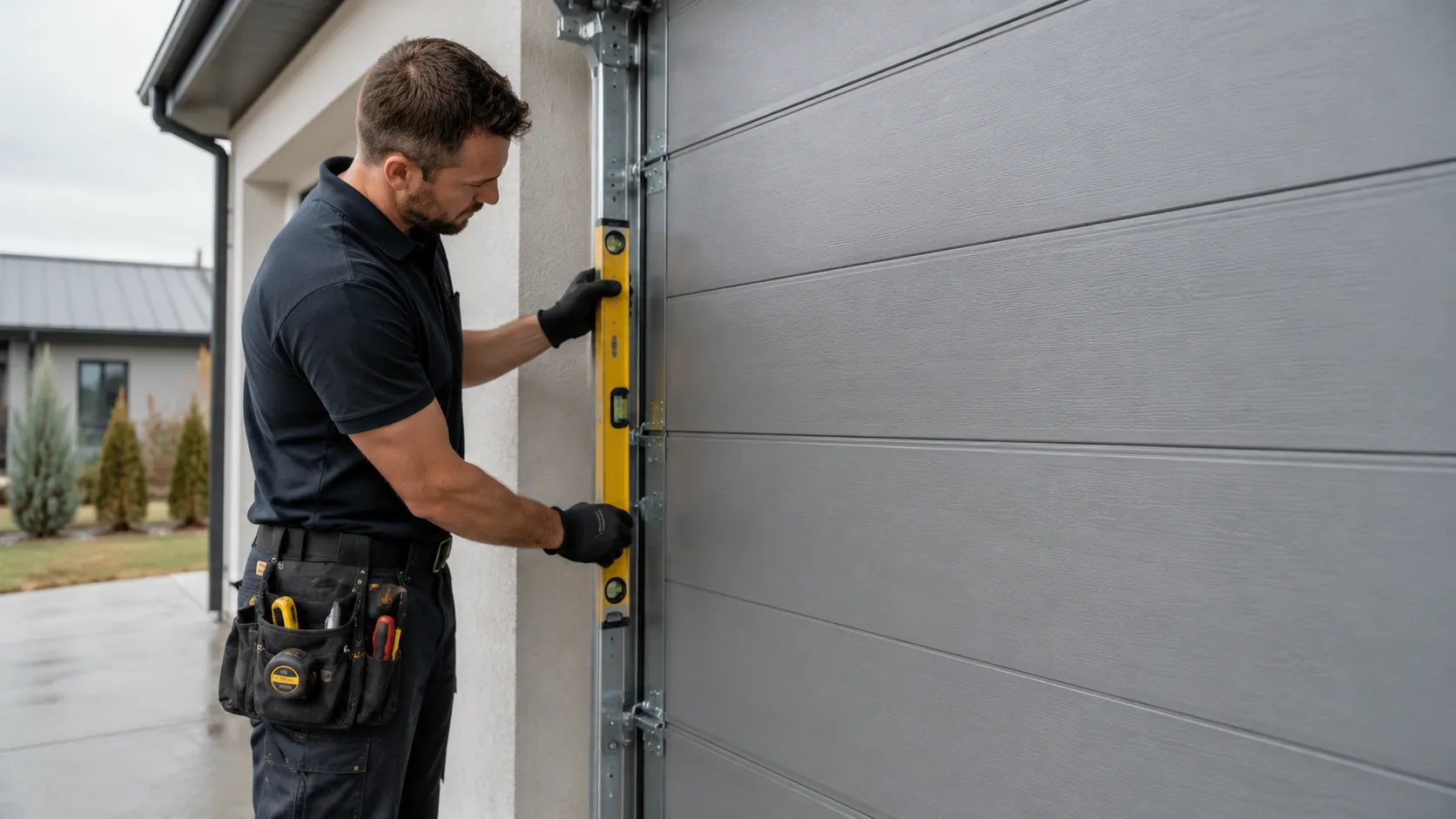
Call before the spring breaks, not after. A torsion spring under load in cold steel doesn't fail gently - it lets go, and a door that heavy coming down uncontrolled is not something to be standing under or reaching toward. If you hear a loud bang from the garage and the door won't move, or moves crooked, stop trying to force it by hand.
Get someone out if the opener is straining audibly to lift the door, especially on a cold morning. That's often the spring losing tension, not the motor failing - and running the motor against a bad spring burns it out faster than it should.
We'll be honest about one thing: if your door is original to a 1984-era build and the track, hardware, and panel are all at end of life together, patching one part is a short-term fix. Past a certain point, a full replacement with an insulated door costs about the same as three separate repair visits and actually solves the cold problem instead of working around it.
What Local Conditions Do
This area sits in a climate band rated cold and severe, and that matters more for garage doors than people expect. Steel contracts in deep cold, which is why an old door that fit its track fine in July can bind or rattle loose in January - the tolerances were never built for a wide swing.
Moisture is the other half of it. A garage without insulation holds condensation on cold steel, and that moisture works into any exposed hardware, hinges, and roller stems over the years. On houses from the 1980s and 90s stock common here, that's four decades of freeze-thaw on original parts, which is a big part of why springs and rollers on original equipment tend to be the first things to go bad, not the door panel itself.
An insulated door with a tighter bottom seal doesn't just keep the garage warmer - it cuts down on that condensation cycle entirely, which is the actual mechanism behind a lot of the wear we see on doors this age.
How We Can Help
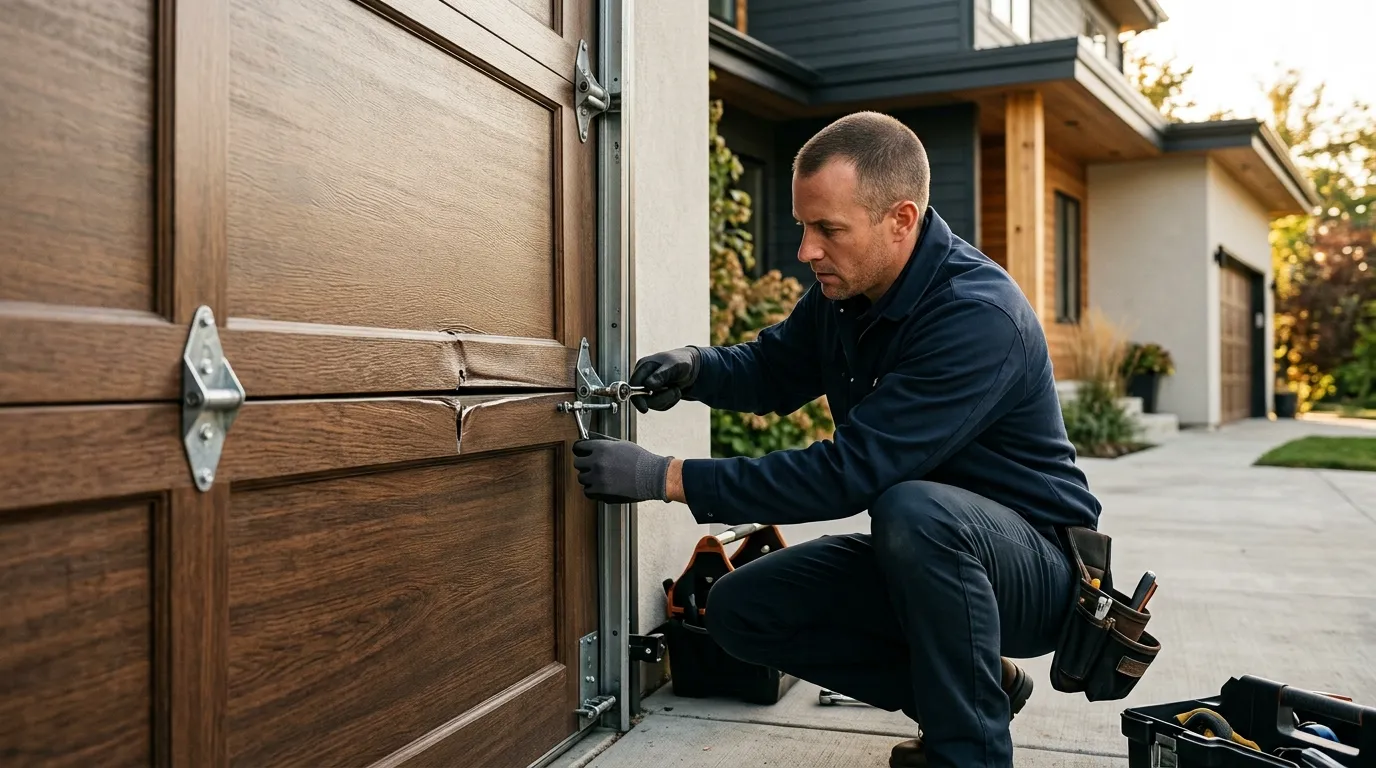
Garage Door Repair
Springs, cables, tracks, rollers, and openers fixed by a tech who explains the problem before touching anything.
Learn more →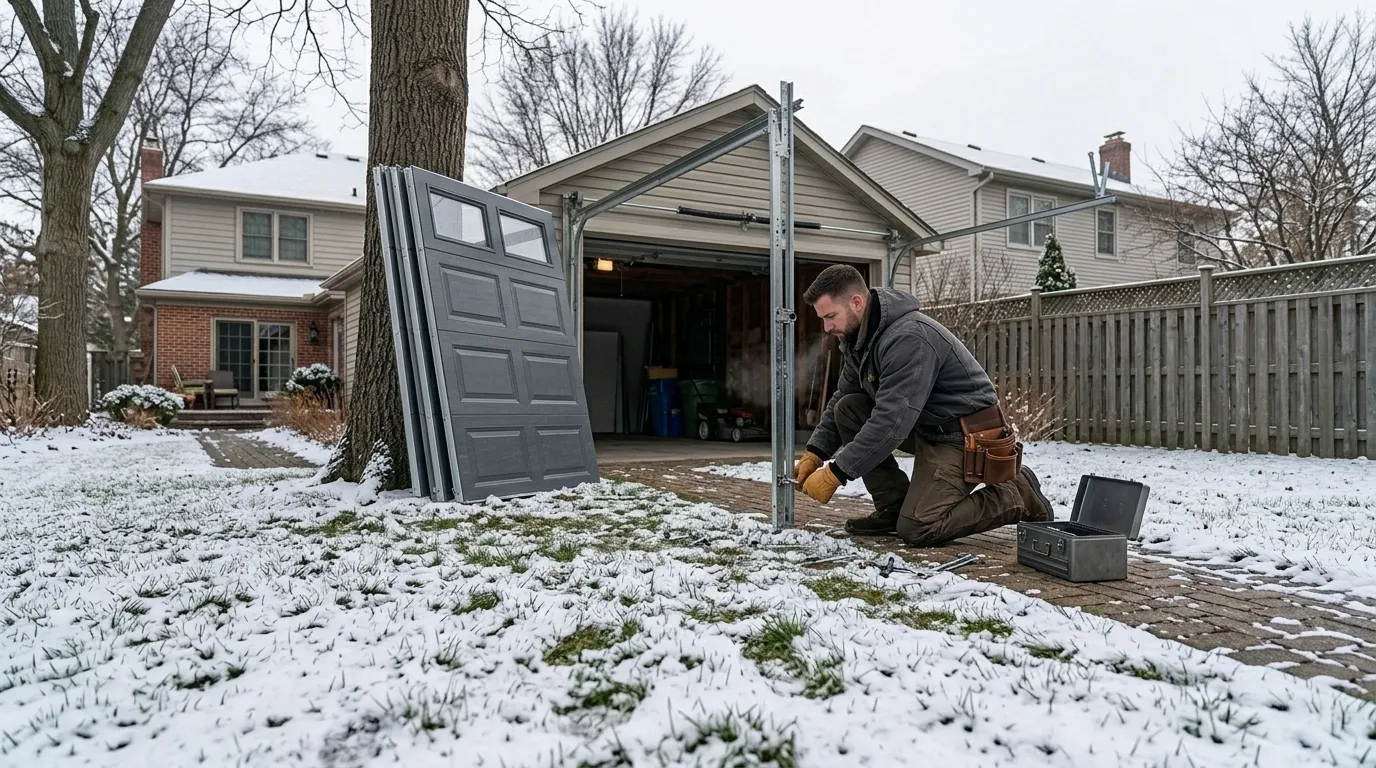
Garage Door Installation
New sectional doors sized and installed for the housing stock actually built in this area.
Learn more →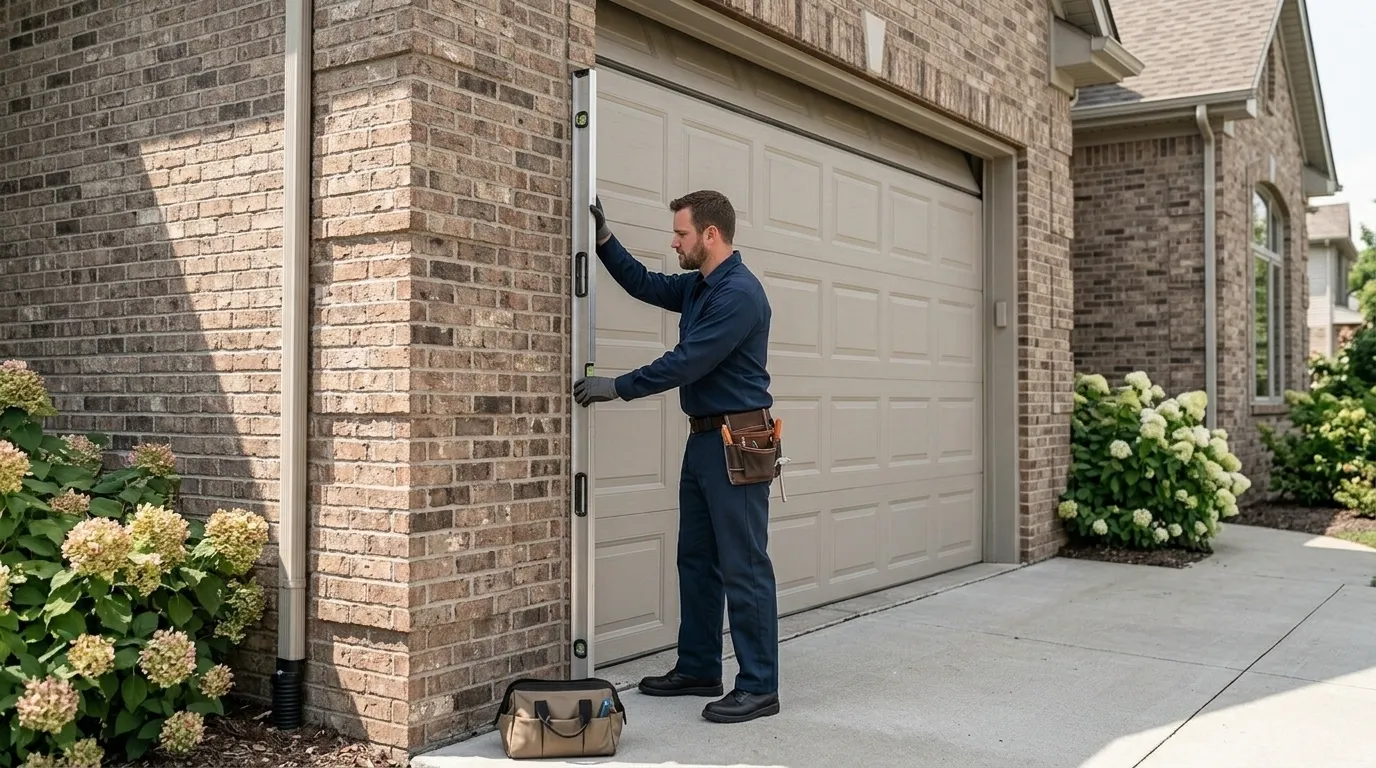
Garage Door Service
Tune-ups, lubrication, and safety checks that catch a small problem before it becomes a service call.
Learn more →Frequently Asked Questions
Is my garage door too old to bother fixing?
Depends on what's wrong. A cracked bottom seal or worn rollers on an otherwise sound door from the 1980s or 90s is worth fixing. If the spring, track, and panel are all original and all showing wear at once, replacement usually costs about the same as stacking up repairs and solves the insulation gap too.
Why does my door stick in cold weather but not summer?
Steel contracts in cold, and doors built before insulation standards were routine often have tighter or looser tolerances than a modern door. In a climate rated cold and severe, that swing is bigger here than in milder regions, which is why an older door can bind on a January morning and run fine in July.
Does an insulated door actually make a difference in an unheated garage?
Yes, mainly by cutting down condensation on the steel and closing the gap at the bottom seal. It won't heat the garage, but it stops the freeze-thaw cycle that wears out hinges and rollers on older doors, which is a lot of what causes hardware failures on original 1980s-era doors in this area.
Have a Door That Needs a Second Opinion?
Call and describe what it is doing - we will tell you what it likely is.