
Forest Lake Garage Door Guide
What That Noise From Your Garage Door Is Actually Telling You
Forest Lake homes built between 1950 and 2002 carry hardware that ages on its own timeline. Here's what a grinding, popping, or slapping door is actually telling you.
- Licensed & Insured
- Same-Area Service Calls
- Upfront Pricing
What to Check
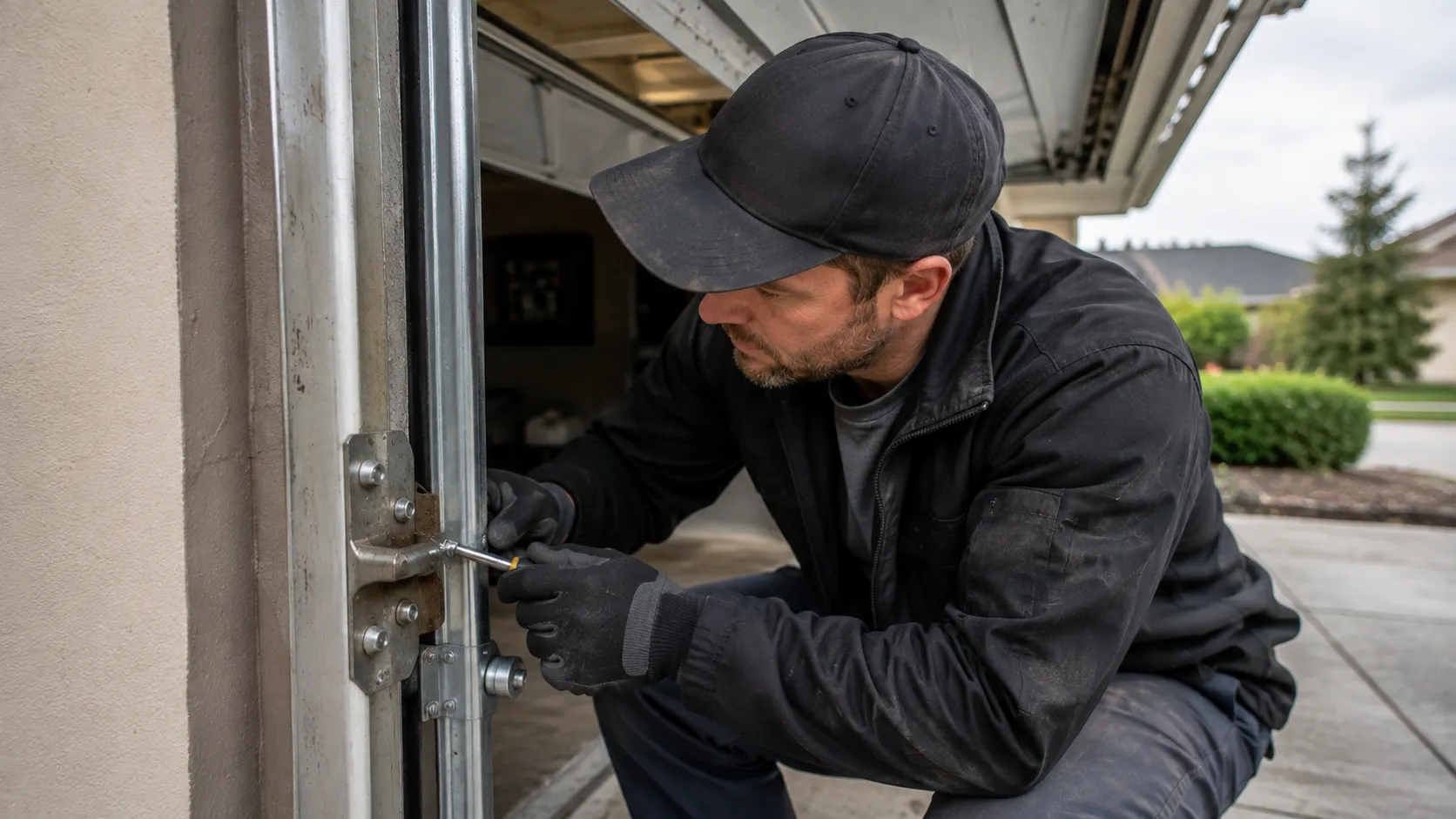
Start with when the noise happens, not just what it sounds like. A grinding or rattling sound as the door travels usually means a roller or hinge on hardware that's original to the house - and across this service area, most doors are riding on tracks and springs installed somewhere between 1950 and 2002, with the bulk of that stock going up in the 1980s and 90s. A door built in that window is old enough that the original torsion spring is near or past its rated cycle count, even if it looks fine.
A loud bang followed by the door refusing to move is almost always a broken spring - check whether the door feels twice as heavy to lift by hand. A rhythmic thump once per rotation points to a flat spot on a roller, not the spring. A high-pitched squeal on the way up or down is usually just lack of lubrication on track and hinges, an easy fix, but don't assume that's the whole story on a door running original 1980s-era hardware - the squeal can also be the first sign a bearing is drying out for good.
Write down where in the cycle the sound happens. That detail matters more than a description of the noise itself when it comes to figuring out what's actually failing.
The Situation
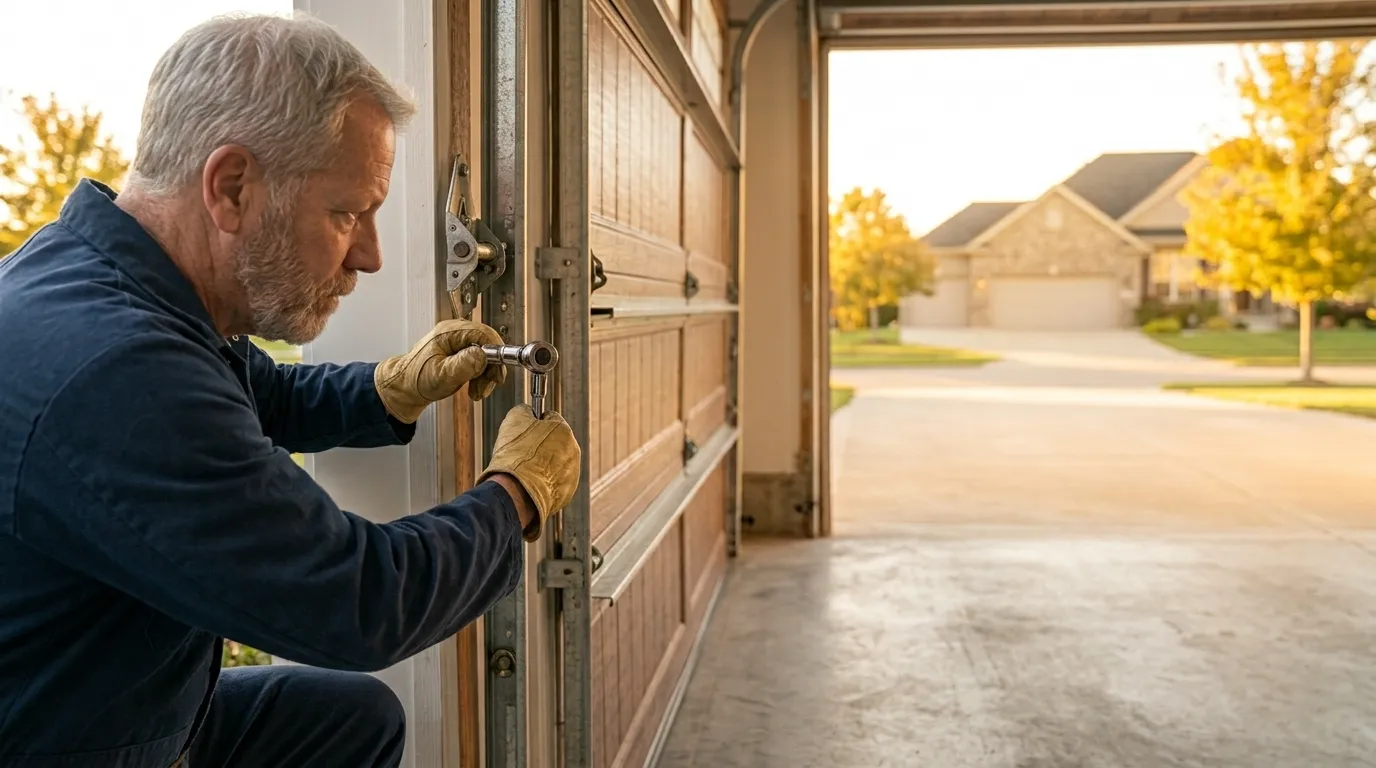
This is a cold-climate service area, and that changes how hardware fails compared to a milder region. Steel torsion springs lose tension faster through repeated hard freezes, and lubricant that's fine in summer thickens up in January cold, which is exactly when a marginal spring or a dry roller finally gives out. If your door has gotten noisier specifically since the weather turned, that's not a coincidence - it's cold-climate wear catching up to hardware that was already near the end of its life.
Combine that climate load with the age of the housing stock here - median build year 1984 - and you get a specific and common failure pattern: original torsion springs, original steel rollers, and openers from the 80s and 90s straining against both age and winter contraction at the same time. A door that's been quiet for years can start making noise in a single cold snap because the metal finally shrank enough to expose slack that was always there.
None of this means every noisy door needs a full replacement. Plenty of these houses just need the original hardware swapped for something built for the cycles this climate puts on it.
When to Get Help
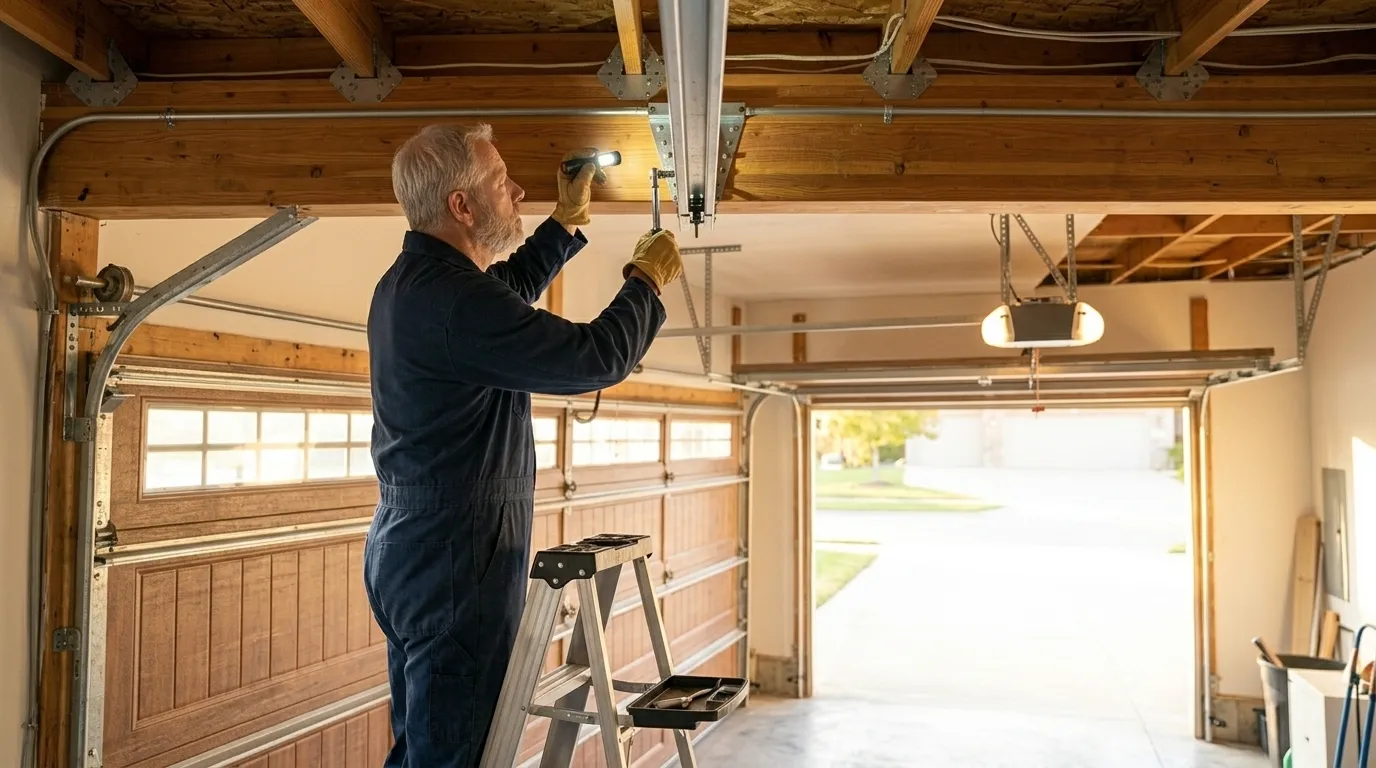
Call before the door stops working, not after. A spring that's audibly straining - a slow creak under load rather than a clean quiet lift - is a spring near the end, and torsion springs under tension are not a safe DIY repair; that's not us being cautious, that's just how much force is stored in a wound spring built for a door this size.
A grinding opener gear or a chain that's started slapping the rail is worth a call soon rather than immediately - those parts degrade over weeks, not hours, so you have some room to schedule it. A door that's suddenly silent when it used to squeal, paired with it moving unevenly, usually means a cable has slipped, and that one can drop a door fast.
Here's the honest limitation: if your opener is original to a house built in the 80s or 90s, we're often better off replacing it than chasing parts for a unit that old - motor boards and control modules for that era aren't something we can always source quickly, and a new opener costs less than the hours spent hunting down obsolete parts.
What Local Conditions Do
Two things are doing the work on your door's hardware here: age and cold. The age comes from when the house was built - most of this area's housing went up between 1950 and 2002, with a heavy concentration in the 1980s and 90s across the 31 named neighborhoods we work in. The cold comes from the climate band itself, which counts as severe cold and puts real stress on steel springs, cables, and bearings every winter, not just in a bad one.
Put those two together and the noise you're hearing is rarely random. It's the sound of hardware built for a different decade meeting a winter it wasn't specced for. A household here with the median income for this area, around $100,179, is typically looking at a straightforward hardware swap rather than a full door replacement - the noise is a symptom of aging parts, not proof the whole door is failing.
We cover Forest Lake and out toward Wyoming, Scandia, Columbus, Chisago City, and Centerville, all within about 7 miles, so if your noise turns out to need a same-day look, we're not driving far to get there.
How We Can Help
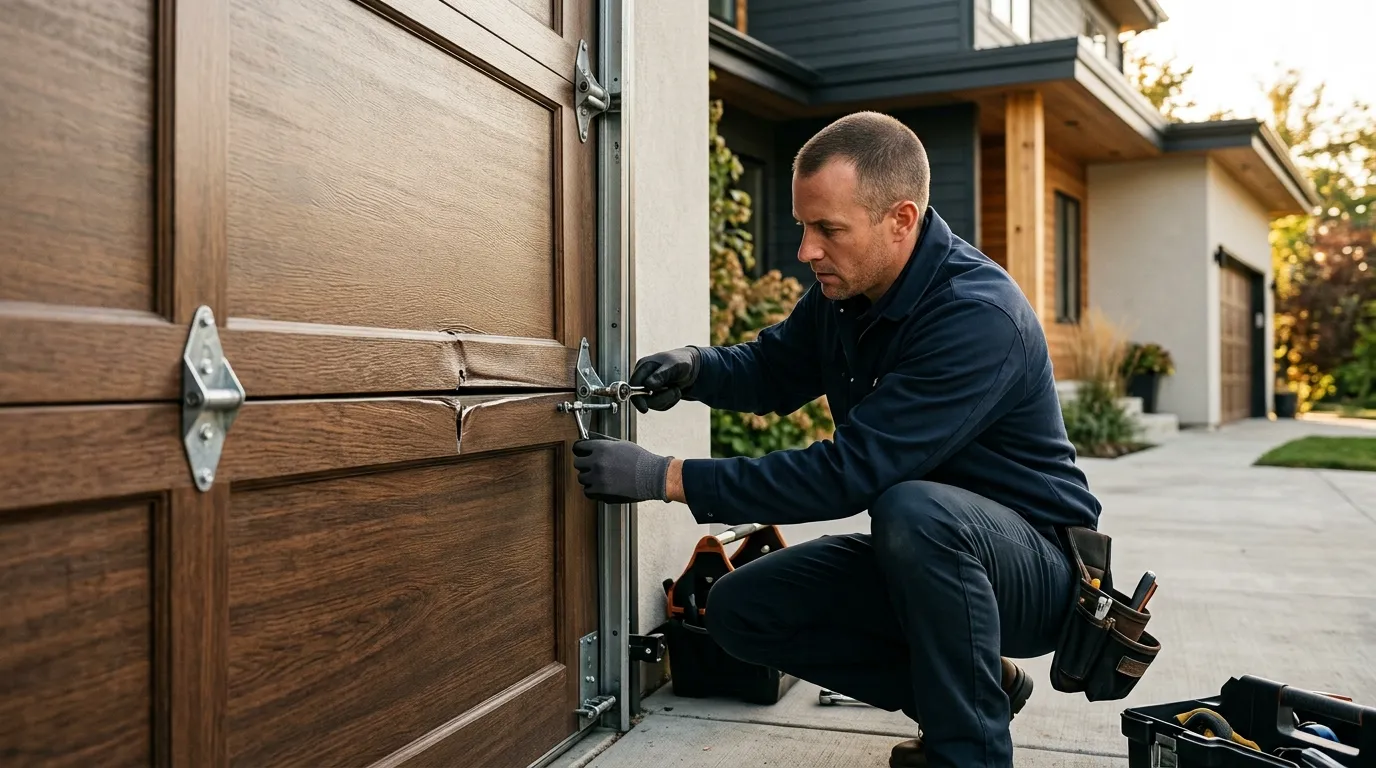
Garage Door Repair
Springs, cables, tracks, rollers, and openers fixed by a tech who explains the problem before touching anything.
Learn more →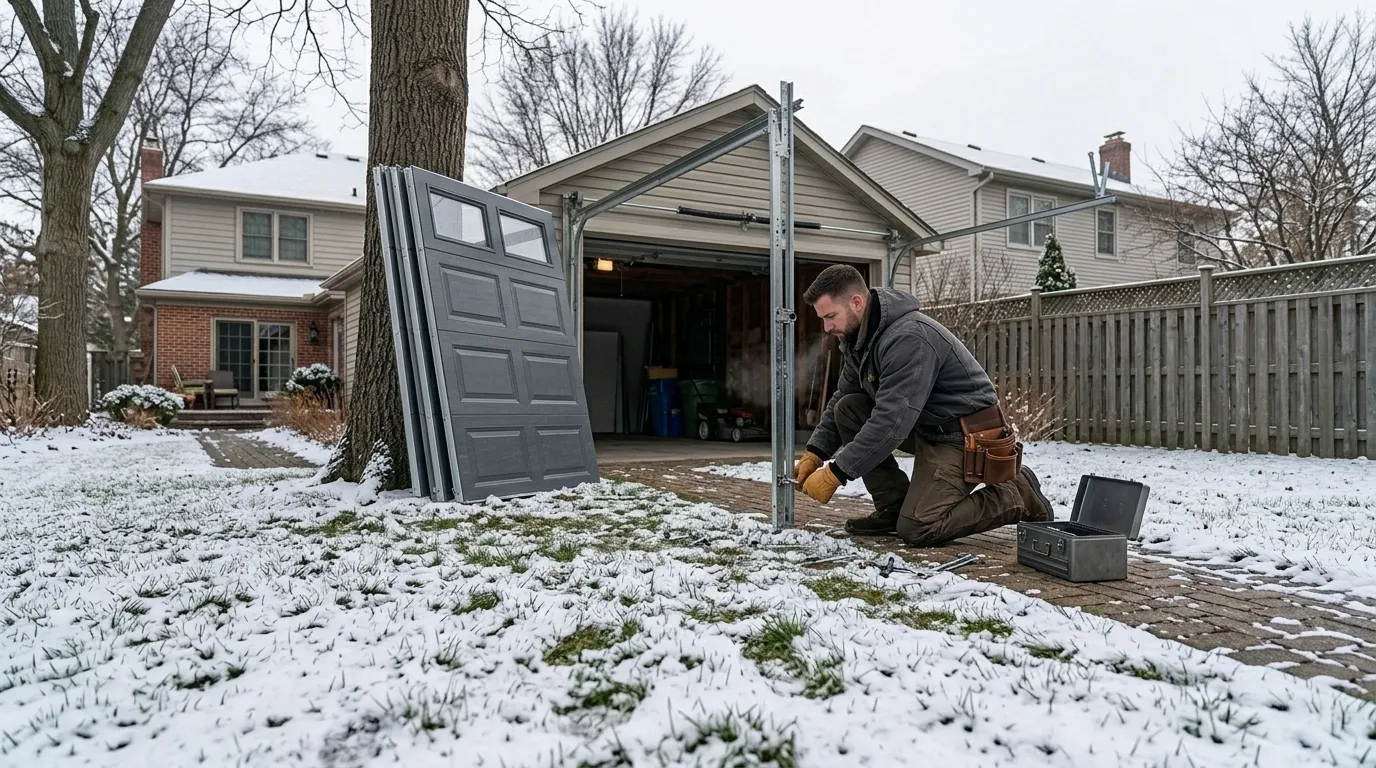
Garage Door Installation
New sectional doors sized and installed for the housing stock actually built in this area.
Learn more →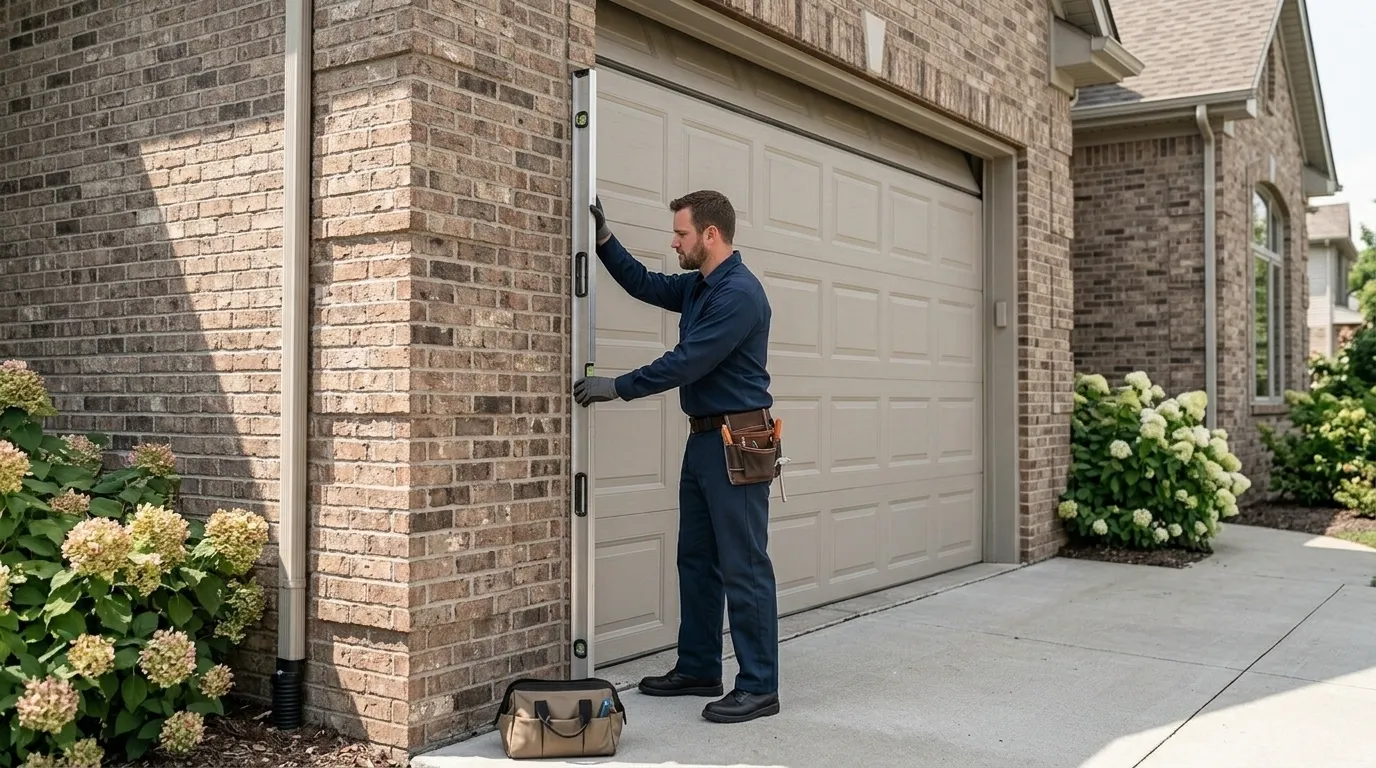
Garage Door Service
Tune-ups, lubrication, and safety checks that catch a small problem before it becomes a service call.
Learn more →Frequently Asked Questions
My garage door squeals every morning but works fine - do I need to worry?
Not urgently, but don't ignore it either. A squeal is usually a dry roller or hinge, cheap to fix with lubrication. On a door from the 1980s or 90s, though, it can also be an early bearing failure, so if the squeal gets louder or starts happening mid-cycle instead of just at start-up, get it looked at before it turns into a stuck door.
Is a noisy garage door worse in winter here?
Yes. This area sits in a severe cold climate band, and steel springs and cables lose tension and flexibility as temperatures drop. A spring that was marginal in fall often fails in the first hard cold snap, so noise that shows up specifically in winter is worth checking sooner rather than later.
Should I try to fix a grinding opener myself?
Depends what's grinding. Lubricating a dry chain rail is fine to do yourself. But if the opener itself is original to a house built decades ago, parts for that motor are often hard to source quickly, and we'd usually recommend replacement over a repair that may not hold.
How do I know if it's the spring or the track?
Listen for when the noise happens. A bang followed by the door feeling much heavier to lift is almost always a spring. A rhythmic thump once per revolution, or a scrape as the door travels, points to a roller or track issue instead. Timing the noise to the motion tells you more than the sound alone.
Have a Door That Needs a Second Opinion?
Call and describe what it is doing - we will tell you what it likely is.